1914 – A Dream In This Nightmare

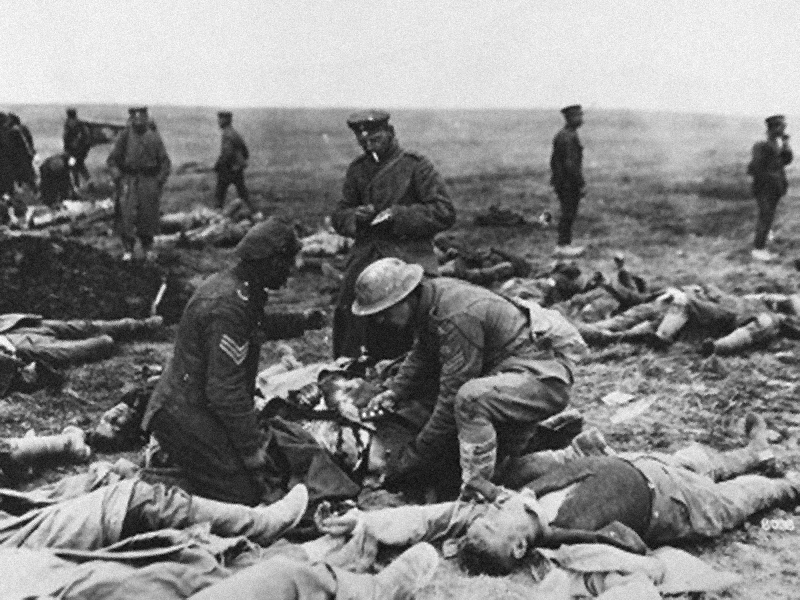
1914_1918_gewonden_ieper

I was sitting at home with my beautiful wife
We were enjoying a simple cup of tea
Our son was astride his white rocking horse
Our daughter sat giggling on my knee.

The room seemed so lovely as the sunlight shone in
The children so happy in their play
Our world seemed exquisite and so full of joy
I remember as I wipe tears away.

And I’m again plunged right into this nightmare
Where there is nothing but misery and death
Where each time the shrapnel drives into a man
It will spell their last painful breath.

From the horror of all of this killing
So senseless, so cruel and obscene
If any man walks away from this carnage
He’ll scrub but he’ll never feel clean.

©JRW2014

One in a group of poems recognising the centenary of WWI

1914 – We call It Wipers

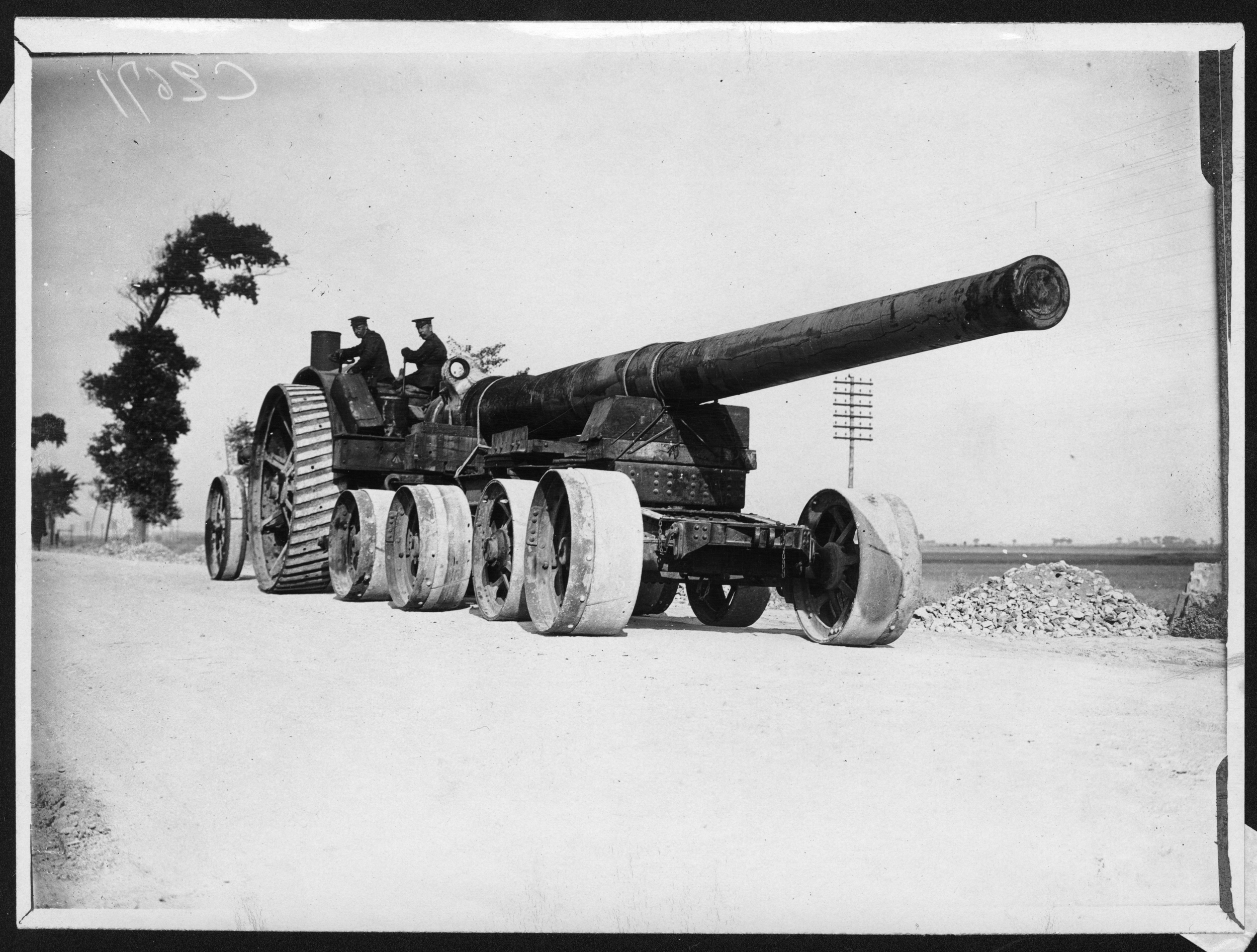
ypres field guns 1914

Mud goes so stiff as it dries on the clothes
And it gets in the rifles and ammo
And men live in the mud for day after day
And they die there as the death tolls just grow.

The lads call it Wipers, but we know it’s called Ypres
And we don’t know the language but know mud
And the massive field guns that are firing this way
Causing lots of men to stay here for good.

In two months I’ve not heard the sound of a bird
With the fighting and dying you don’t listen
But I saw a dead blackbird lying out in the mud
And memories of home made my eyes glisten.

I’d rather be back at my home on the farm
Tending cattle and working the land
But I’m lying here shooting at men I don’t know
In a hard bloody war that I don’t understand.

We’ll soon be coming to the end of this year
We were told that it wouldn’t last too long
I don’t know how much longer the men can last out
The spirits willing but their bodies aren’t strong.

We’ve been pounded for hours, we’ve been pounded for days
It seems like so long and it’s so cold
There are men who’ve got frostbite and gangrene and sores
But it’s the dysentery that makes some men fold.

When will it end and who will make peace
They’re decisions that aren’t made at the front
But by men back at home who think they know best
Not by poor dying men bearing the brunt.

©JRW2014

One in a group of poems I wrote recognising the centenary of the outbreak of World War I

1914 – How many Generals died in battle last night?

somme_0

How many generals died in battle last night
Asked the young soldier of his captain
They’re far too important to actually fight son
Their time is spent planning how to silence the gun
Soon they’ll send in the men in a large show of force
They’ll go over the top and get mown down of course.

How many soldiers died in battle last night
Asked the young soldier of his captain
You can see for yourself son as we look down below
There were many young men son, some who we’d know
But my eyes grow so weary from seeing all the pain
Of so many young men dying scared in the rain
Men like us two, who will stay here at least
Who will never grow older for we now rest in peace.

©JRW2014

One in a group of poems recognising the centenary of WWI

1914 – It’ll Be Over By Christmas

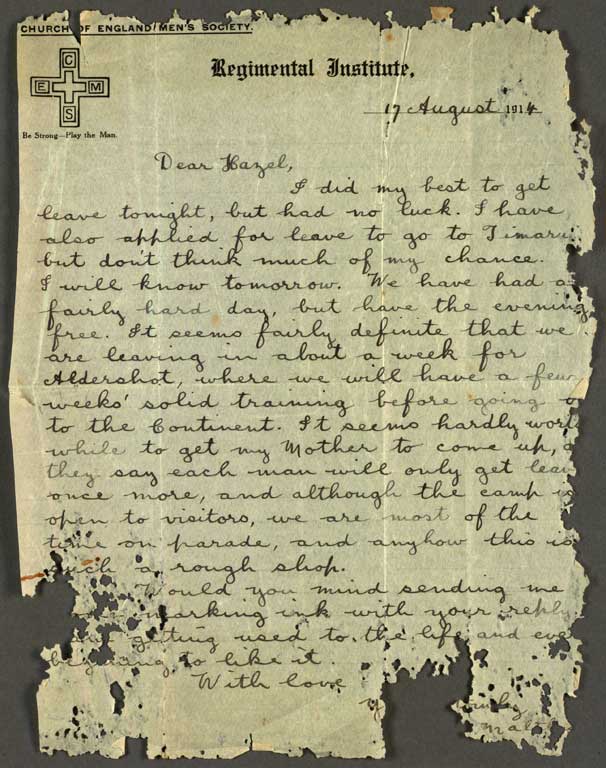
Malthus-1914-08-17

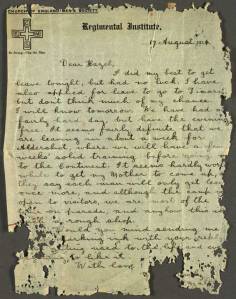
His mate sent a letter to his girl back at home
All the houses in their road put out flags
They were led to believe that the war wouldn’t last
By Christmas they’d be back at home smoking fags.

But it wasn’t so, he was still there on Christmas Day
With others just like him who were terrified
He’d heard they’d played footie somewhere miles away
But they carried on shooting and more men died.

He’d not really known how much a man could hate mud
But when it got in your food, then your eyes
And when you slept in it, and lived in it day after day
When men died in it their blood made dark dyes.

And the deafening noise of the guns just kept on
Till his eardrums had burst and made him deaf
The noise carried on like a dull thumping sound
He’d have run, but he’d got no run left.

All around him his friends were all dying
His mate with the letter had now gone
From the hundreds who’d been in the trench yesterday
Of the twenty-nine left, he was one.

What was this madness, again his heart cried
These men he must kill and for why
He couldn’t understand why the generals back home
Sent here all these young men just to die.

Then a round hit him just under his rib-cage
And the blood that oozed out was dark red
There was no medic nor anyone near him
So he bled out on his own till he was dead.

So another man lay in the mud dying
Still the reasons of why would remain
He just knew that those back at home waiting
Would get the sad telegram of pain.

©JRW2014

One in a group of poems recognising the centenary of WWI

1914 -Your Chums Are Dying, Why Aren’t You?

war_edited

They marched off with no idea of those forthcoming horrors
For many, many thousands there would never be tomorrows
They were summoned, without a choice, off they had to go
They were simply fodder to the big field guns that bellow.

Men who only yesterday were working on the farm
Sent out to shoot down other men who’d never done them harm
Young men who’d risen to answer the nation’s clarion call
Went to The Somme and Ypres to simply die and fall.

The nightmare that were trenches, the cries into the night
The black lines through the letters home to cover-up the plight
The new men just conscripted who died on that same day
Who fell from a hail of bullets before their very first pay.

The young soldier who was killed at the point of a vicious knife
The sad telegram the captain sent to his new and pregnant wife
The horror there was for one man as he had to kill another
Standing next to a stranger now, a man he calls a brother.

The smell of the smouldering cordite that lingers everywhere
Accompanies the terrible stench in this deathly sad nightmare
The brutal noise that deafens, that damages your ears
Fearing cowardice charges most young men hide their fears.

Men started this obscenity in quiet, comfortable rooms
They never do the dying nor end up in white war tombs
But they will take all the glory that any victory can afford
That surely is for those beneath that lonely foreign sward.

©JRW2014

One in a group of poems recognising the centenary of WWI